21 mountain towns, scored honestly for people who actually have to live somewhere
Beautiful is easy. Beautiful and legal and connected and within reach of a hospital
is hard. Here's every town scored on both, with a model you can change yourself
and watch the ranking rearrange.
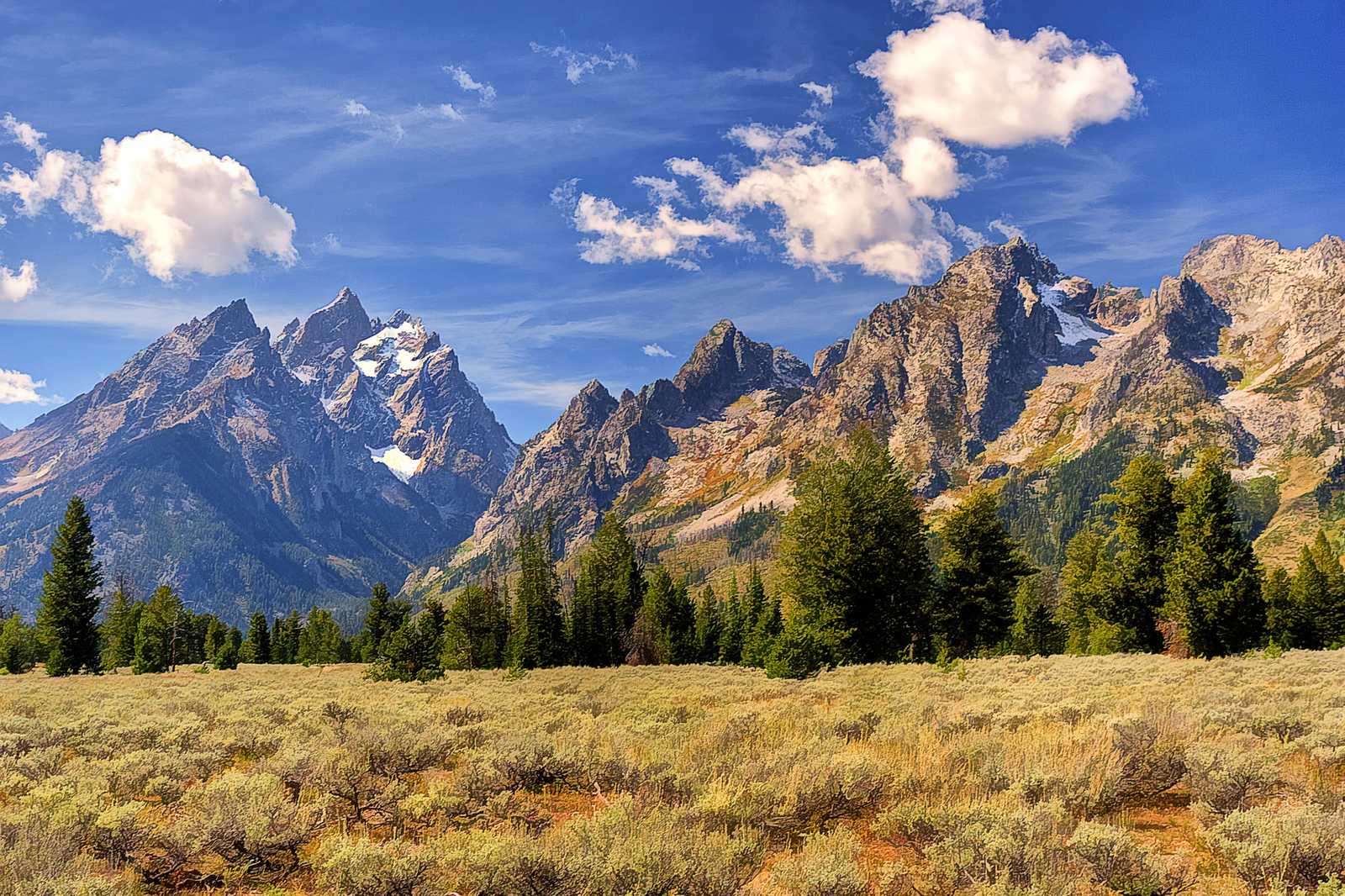
Jackson, Wyoming. Photo by Dana Hutchinson, CC BY 3.0, via Wikimedia Commons.
Most "best mountain towns" lists are a photo essay with a word count. They rank on
scenery, which is why they always end up recommending places you legally cannot live
and practically cannot work from. This one starts from a harder question: if you hold
a US passport and you want to spend real time somewhere, either working remotely or
retired, where does the mountain fantasy actually survive contact with visas,
hospitals, fiber, and a housing market?
It also starts from a stricter definition of "mountain town" than most. The test used
here is whether the mountains are out the window, vertical and immediate,
rather than somewhere on the horizon across a valley floor. That one filter removed
eight otherwise excellent towns before anything else was considered, including several
that appear near the top of every competing list.
What got cut, and why
Thirteen places came off the list before any scoring started, in three rounds. The
cuts matter more than they look, because the first round is where this list stops
resembling every other mountain-town article.
Round one: the window test
Eight towns were cut for a reason nobody usually applies: the mountains are nearby
but they aren't out the window. There's a real difference between living
within driving distance of peaks and living somewhere the rock is vertical and
immediate from your kitchen. Most "mountain town" lists quietly conflate the two,
which is how places on flat valley floors end up on them.
Bozeman, Montana. The peaks are genuinely majestic and they're miles away across a flat agricultural plain. You look at them; you don't live under them.
Bend, Oregon. High-desert plateau living, with the Cascades sitting 20-plus miles west.
Asheville, North Carolina. Soft, rolling, green-canopied ridges rather than sharp vertical crags. Beautiful, but a different landscape category.
Burlington, Vermont. Mountain views are low silhouettes far across the expanse of Lake Champlain.
Flagstaff, Arizona. Built inside a dense Ponderosa pine forest, so from most windows the trees are the view and the mountain horizon is hidden.
Nelson, British Columbia. Tucked into a forested lake valley where water and immediate green hillsides dominate over raw alpine rock.
Grenoble, France. A flat river basin where apartment blocks and trapped air obstruct the peaks that surround the city.
Stellenbosch, South Africa. A wide, flat vineyard basin. Town windows overlook streets and oaks, with the mountains held at a distance.
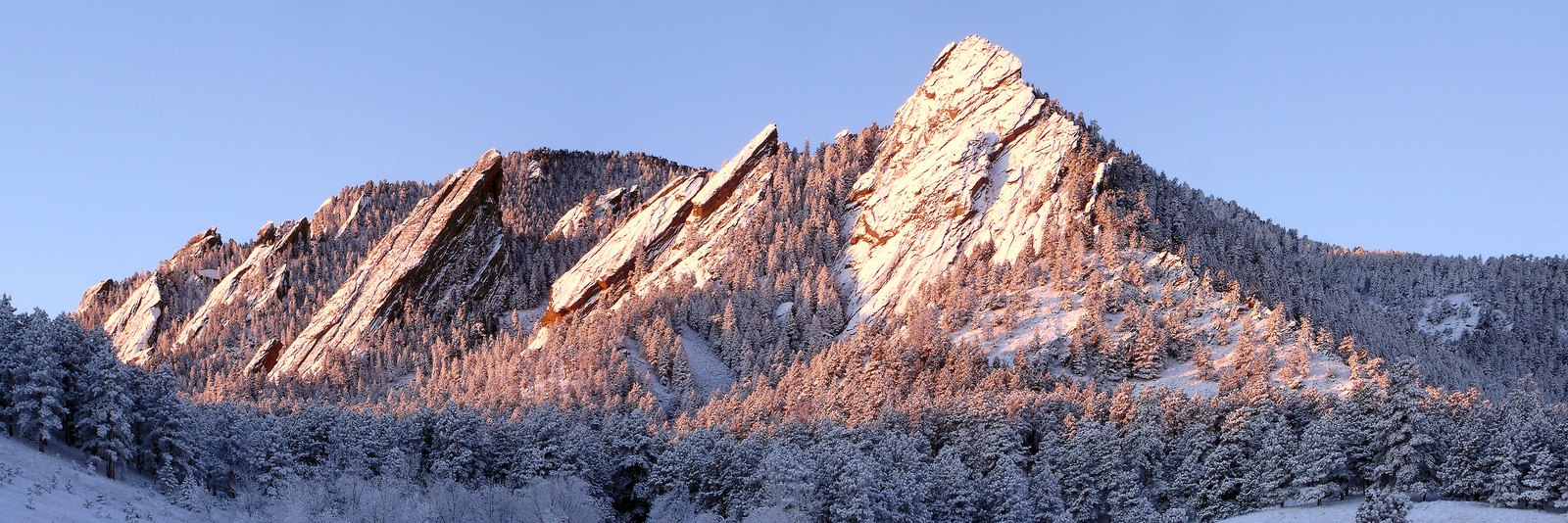
Apply this test honestly and it costs Boulder too. Boulder sits at the
exact edge of the plains with the Flatirons rising directly behind town, so it passes
where Bozeman and Bend fail. But it is closer to that line than Zermatt or Chamonix
will ever be, and that is precisely why Boulder scores 6 out of 10 on beauty below
rather than 9. The same test that removed eight towns is the one holding Boulder's
scenery score down. A list that applies its criteria to everyone except its favorite
isn't worth reading.
Round two: safety and visa barriers
Two towns cleared the window test on scenery and were removed anyway.
Cape Town, South Africa. Table Mountain is one of the great urban backdrops anywhere. Removed for violent crime rates and safety concerns in the urban bowl, which are the kind of risk you cannot mitigate with a good neighborhood choice alone.
Dali, Yunnan, China. Removed on visa structure. The Chinese immigration framework makes a stable stay beyond a few months very difficult to secure and hold.
Round three: infrastructure and financial plumbing
Three more went for reasons that only show up once you try to actually work or bank
from a place.
Pokhara, Nepal. Nepal has introduced a long-term digital nomad visa, but internet reliability outside the main tech hubs is not something you can build a working week on. Power interruptions and inconsistent fiber are workflow problems, not inconveniences.
Almaty, Kazakhstan. Genuinely spectacular, genuinely difficult. Casual long-term residency for Westerners runs into a 90-day-in-180 cap, and the Neo Nomad route carries a high documented income floor and a bureaucratic process with limited English support.
Bariloche, Argentina. Safe in the street-crime sense, but the financial plumbing is the problem. Currency volatility and a rental and banking market that still leans on informal cash networks make long-term residency a project rather than a decision.
That leaves 21 towns, not 22. The working list double-counted somewhere,
and I'd rather correct it than pad it.
The model, and how to argue with it
Every ranking is a set of choices about what matters, and most articles hide them.
This one puts them on a slider. Each town is scored 1 to 10 on seven dimensions.
Move the weights below and the ranking underneath rearranges immediately, so you can
stop trusting my taste and start checking my arithmetic.
Weight what actually matters to you
The weighting decision that drives everything: "legal right to stay"
is scored for a US passport holder. That single assumption reshuffles the
whole list. Every Alpine town here sits inside the Schengen area, which caps a US
visitor at 90 days in any 180 without a national long-stay visa. Chamonix and Zermatt
win the beauty contest outright and then run into a wall that Jackson and Whitefish
simply don't have. Try the "You hold an EU passport" preset above and watch what
happens: it is the single biggest lever on this page.
The ranking
Ranked by the published model. Change a slider and this table re-sorts, with each
town's movement against the published order shown beside its position.
#
Town
Where
Beauty
Stay
Health
Internet
Cost
Liveability
Access
Score
1
Jackson
Wyoming, USA
10
10
7
7
2
7
7
7.89
2
Boulder
Colorado, USA
6
10
9
10
3
10
9
7.84
3
Whitefish
Montana, USA
8
10
7
7
6
8
6
7.78
4
Innsbruck
Tyrol, Austria
8
4
10
9
6
10
8
7.66
5
Juneau
Alaska, USA
8
10
6
6
6
8
5
7.47
6
Canmore
Alberta, Canada
9
6
7
8
5
8
8
7.47
7
Santiago
Santiago Metropolitan, Chile
6
7
8
8
9
9
8
7.43
8
Tromsø
Troms, Norway
9
4
9
9
5
8
6
7.41
9
Chamonix
Haute-Savoie, France
10
4
8
8
5
7
7
7.40
10
Queenstown
Otago, New Zealand
10
6
6
8
4
7
6
7.32
11
Girdwood
Alaska, USA
8
10
6
6
6
5
7
7.27
12
Telluride
Colorado, USA
9
10
5
7
2
6
5
7.11
13
Whistler
British Columbia, Canada
9
6
7
8
3
7
7
7.10
14
Squamish
British Columbia, Canada
8
6
7
8
4
8
8
7.06
15
Grindelwald
Bern, Switzerland
10
4
7
8
4
6
6
7.00
16
Ortisei
South Tyrol, Italy
9
5
7
7
6
6
5
6.93
17
Cortina d'Ampezzo
Veneto, Italy
9
5
7
7
5
6
5
6.82
18
Banff
Alberta, Canada
9
6
6
7
3
6
8
6.79
19
Zermatt
Valais, Switzerland
10
4
7
8
2
6
6
6.78
20
Wanaka
Otago, New Zealand
9
6
5
7
4
6
5
6.61
21
Benasque
Aragon, Spain
8
6
5
6
8
5
4
6.48
Read the top four as a tie. Jackson, Boulder, Whitefish and Innsbruck
are separated by 0.23 points on a 10-point scale. That gap is smaller than the honest
error bar on any subjective 1-to-10 judgment, and nudging a single score by one point
reorders them. Treat the top four as one group with different personalities, and
ignore the ordinal positions inside it. The meaningful gap on this list is between
that group and the towns scoring below 7.0, not between first and third.
All 21 towns, and who each one is wrong for
The most useful sentence in any recommendation is the one that tells you to walk away.
Every town here gets one.
#1 on the published model
Jackson
Wyoming, USA
The best pure landscape on this list that a US citizen can move to tomorrow. The Tetons are not a compromise and there is no visa conversation to have.
Elevation 1,901 m (6,237 ft)
Population 10,760 (2020)
Nearest emergency dept. St. John's Health, in town
Airport JAC, 16 km
Wrong for you if: You need to buy rather than rent, or you want a town that is not organized around wealth. Jackson is hemmed in by federal land on nearly every side, so its cost problem is structural rather than cyclical.
Weighted score 7.89
Photo by Dana Hutchinson, CC BY 3.0,
via Wikimedia Commons.
#2 on the published model
Boulder
Colorado, USA
Loses the beauty contest and wins almost everything else. A real hospital, an international airport 45 minutes out, fiber a tech-heavy population demands, and a university that keeps the town alive in November.
Elevation 1,655 m (5,430 ft)
Population 108,250 (2020)
Nearest emergency dept. Boulder Community Health Foothills Hospital, in town
Airport DEN, 71 km
Wrong for you if: You came for high alpine drama out the window, or you want a town without a strong sense of its own correctness.
Weighted score 7.84
Photo by Taken by Jesse Varner. Modified by AzaToth., CC BY-SA 2.5,
via Wikimedia Commons.
#3 on the published model
Whitefish
Montana, USA
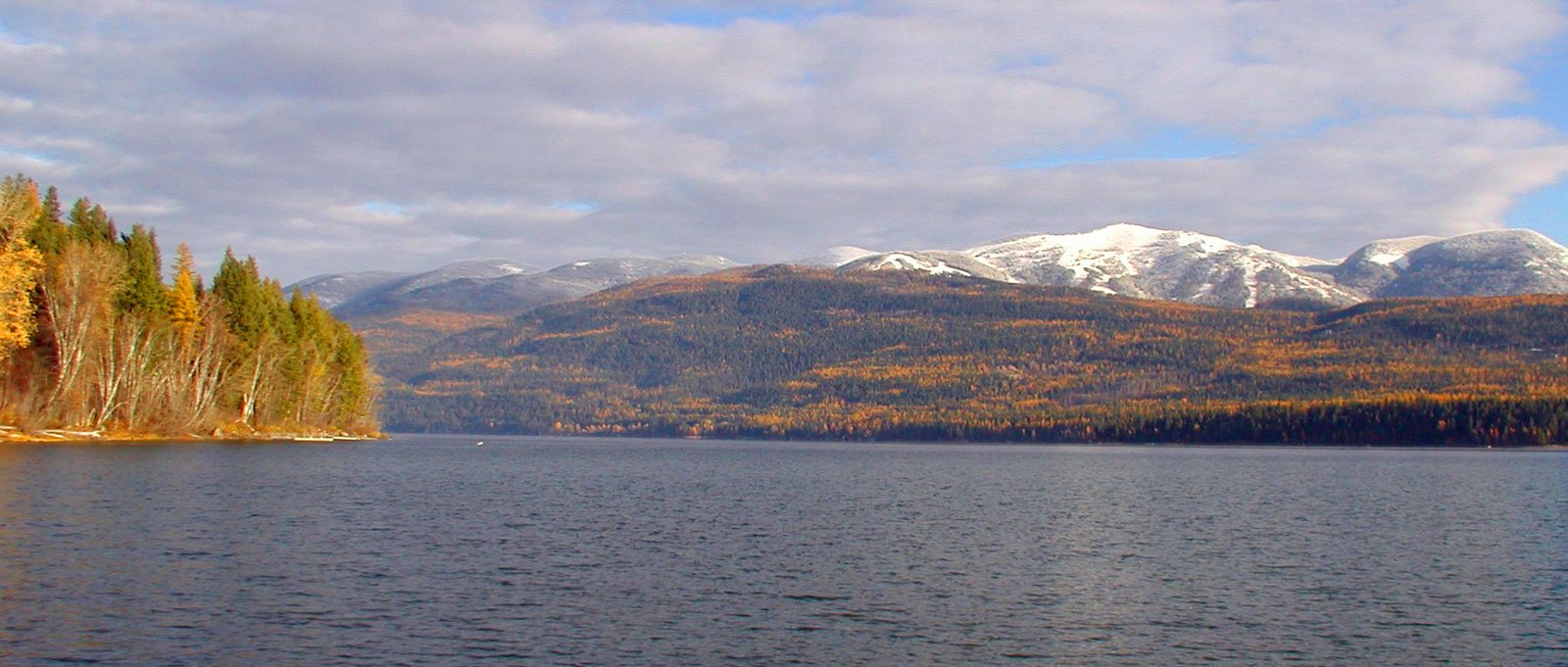
The value play in the top group. Glacier National Park on the doorstep, a genuinely functioning year-round town, and housing that costs meaningfully less than Jackson or Boulder.
Elevation 914 m (2,999 ft)
Population 7,751 (2020)
Nearest emergency dept. Logan Health - Whitefish, in town
Airport FCA, 19 km
Wrong for you if: Your work depends on frequent flying, or on connectivity that never wobbles.
Weighted score 7.78
Photo by Schmiebel, CC BY-SA 4.0,
via Wikimedia Commons.
#4 on the published model
Innsbruck
Tyrol, Austria
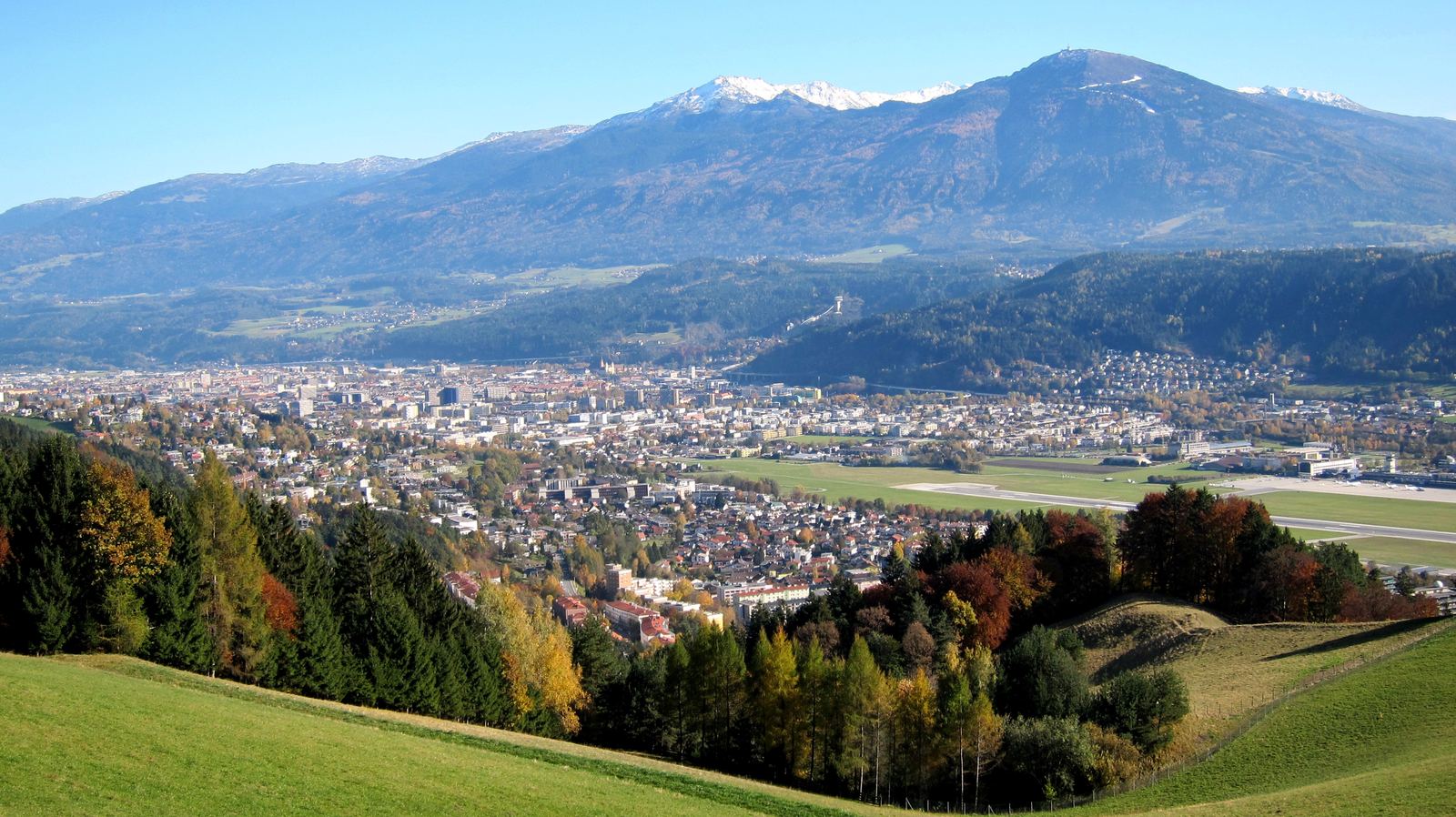
The best all-round town here on every dimension except the one that matters most for an American. A university city wrapped in serious mountains, with a teaching hospital and real winter and summer life.
Elevation 574 m (1,883 ft)
Population 132,499 (2025)
Nearest emergency dept. Universitatsklinikum Innsbruck (LKH Innsbruck, tirol kliniken), in town
Airport INN, 4 km
Wrong for you if: You are not prepared to run an immigration process. Without a national residence permit you are capped at 90 days in any 180.
Weighted score 7.66
Photo by Christoph Derganc, CC0,
via Wikimedia Commons.
#5 on the published model
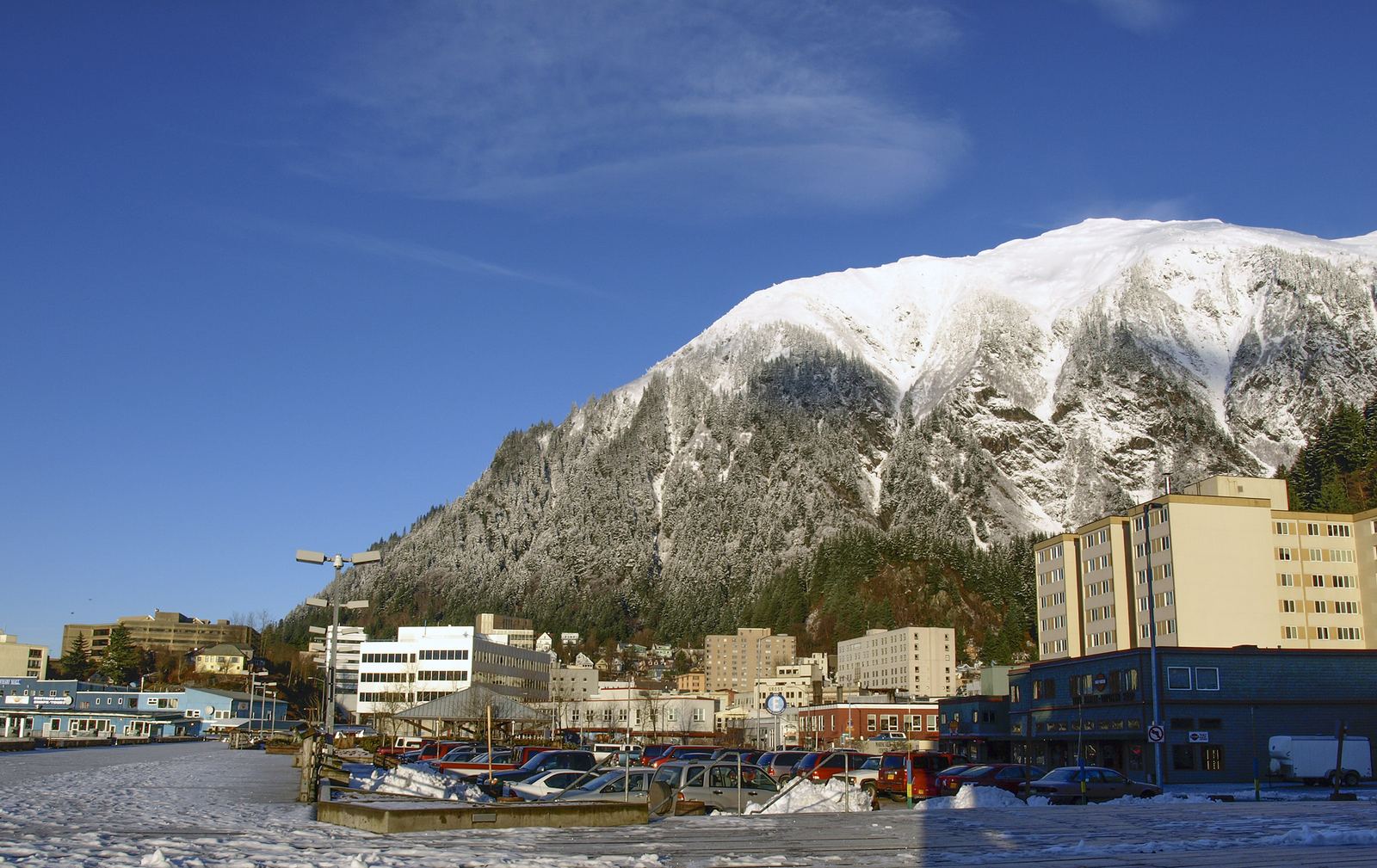
Juneau
Alaska, USA
A state capital with no road connecting it to the rest of the continent. Mountains and water in every direction, and a functioning year-round civic life that most scenic towns lack.
Elevation 10 m (33 ft)
Population 32,255 (2020)
Nearest emergency dept. Bartlett Regional Hospital, in town
Airport JNU, 16 km
Wrong for you if: You need to drive somewhere else. Everything in and out is a boat or a plane, which turns every trip into logistics.
Weighted score 7.47
Photo by Gillfoto, CC BY-SA 4.0,
via Wikimedia Commons.
#6 on the published model
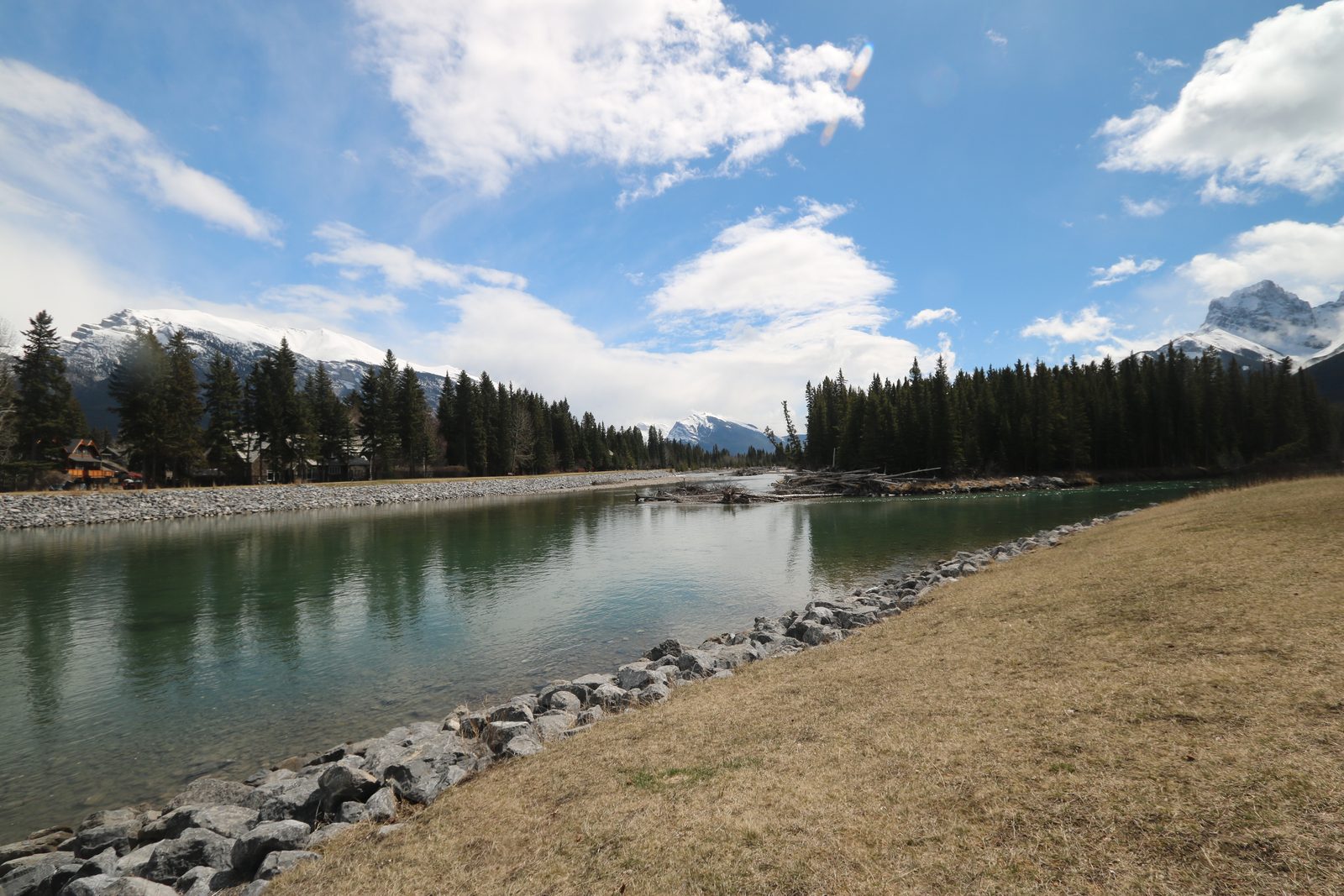
Canmore
Alberta, Canada
Banff without the national park rules. The Three Sisters out the window, an hour from Calgary, and unlike Banff you can actually buy property without proving you work there.
Elevation 1,309 m (4,296 ft)
Population 15,990 (2021)
Nearest emergency dept. Canmore General Hospital (Alberta Health Services), in town
Airport YYC, 114 km
Wrong for you if: You want cheap. Canmore absorbed everyone priced out of Banff and the market shows it.
Weighted score 7.47
Photo by Thank you for visiting my page from Canada, CC BY 2.0,
via Wikimedia Commons.
#7 on the published model
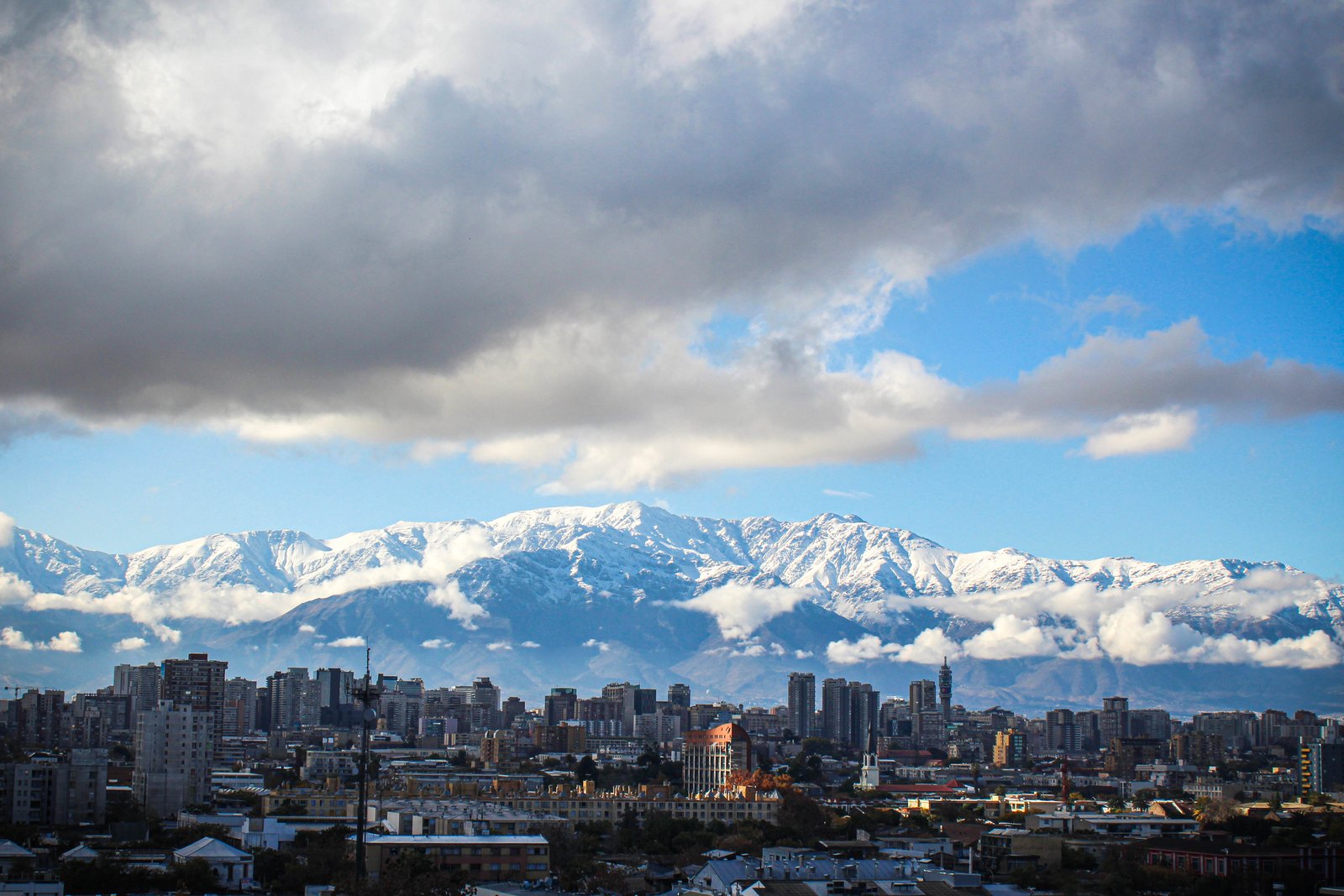
Santiago
Santiago Metropolitan, Chile
The outlier, and the only genuine city here. The Andes rise straight off the eastern edge and world-class skiing is an hour up the road, at a cost of living the alpine towns cannot touch.
Elevation 570 m (1,870 ft)
Population 6,269,384 (2017)
Nearest emergency dept. Hospital de Urgencia Asistencia Publica (Posta Central), in town
Airport SCL, 17 km
Wrong for you if: You wanted a town. This is a capital city of seven million with the air quality and traffic that implies, and the mountains are a backdrop rather than a neighbour.
Weighted score 7.43
Photo by Vanevalverdes, CC BY 4.0,
via Wikimedia Commons.
#8 on the published model
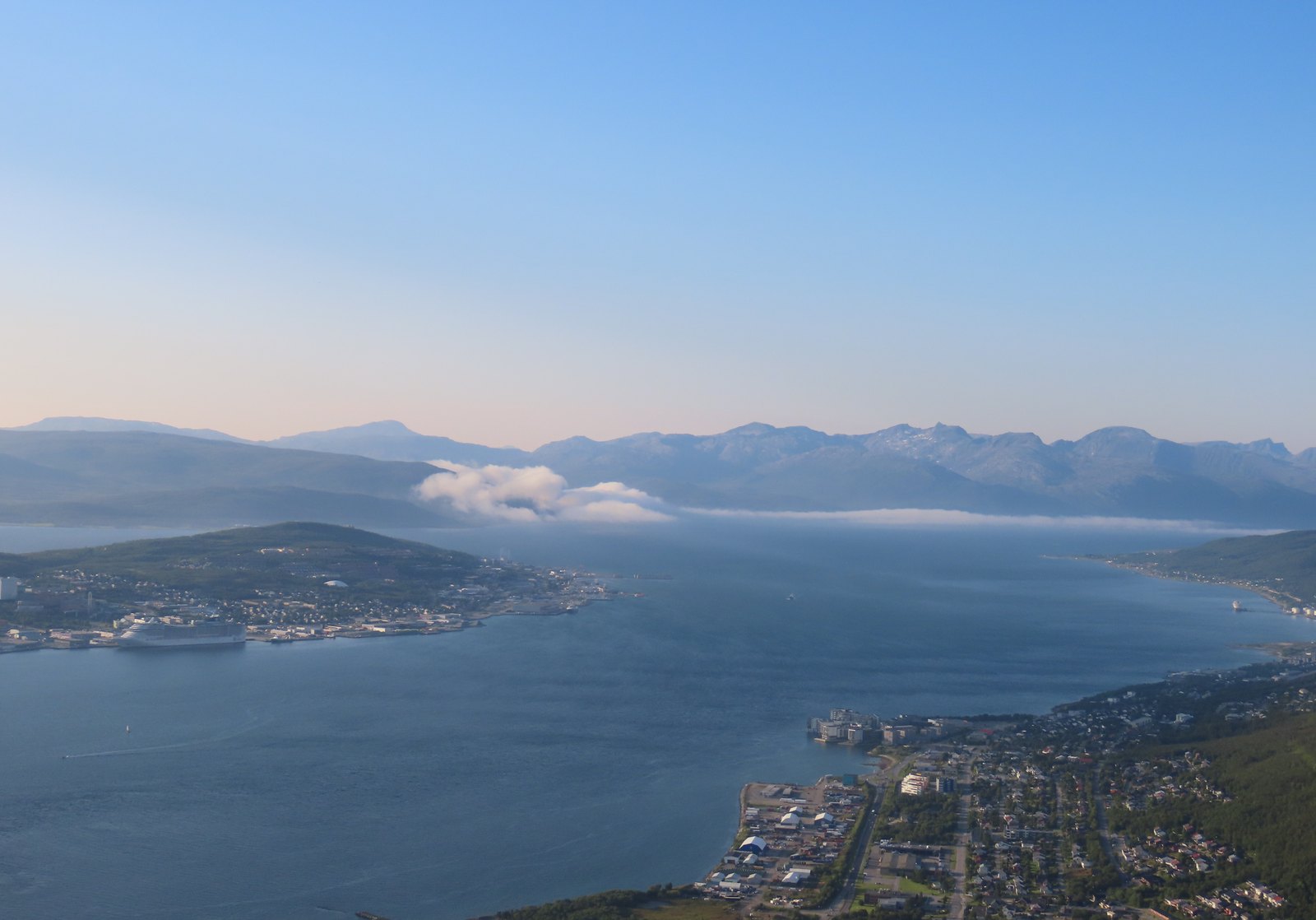
Tromsø
Troms, Norway
An Arctic university town on an island, ringed by peaks that fall straight into the sea. Excellent infrastructure and healthcare for somewhere this far north.
Elevation 5 m (16 ft)
Population 80,114 (2026)
Nearest emergency dept. Universitetssykehuset Nord-Norge (UNN) Tromso, in town
Airport TOS, 6 km
Wrong for you if: You underestimate the polar night. The sun does not rise for roughly two months, and no amount of scenery makes that neutral.
Weighted score 7.41
Photo by Ad Meskens, CC BY-SA 4.0,
via Wikimedia Commons.
#9 on the published model
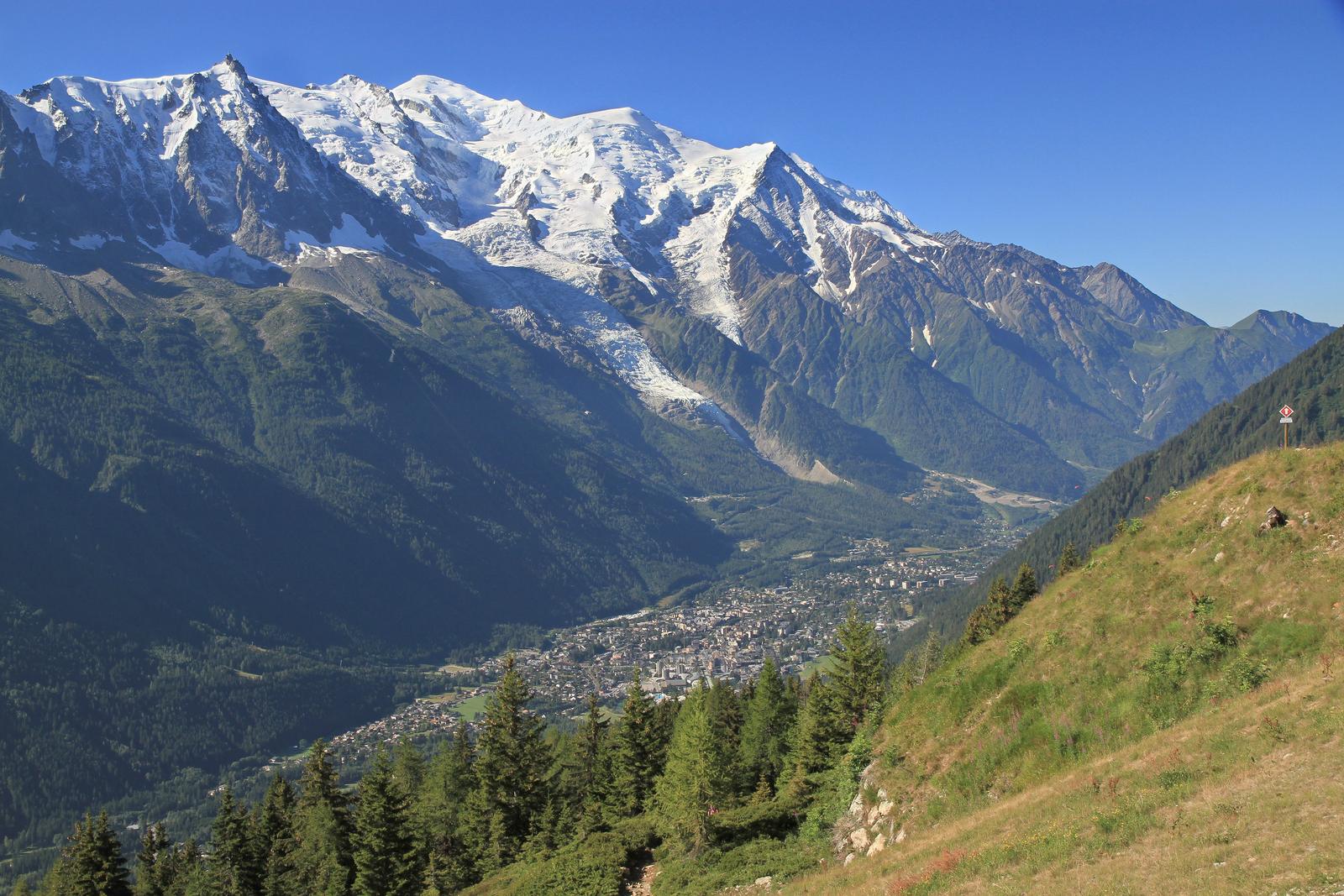
Chamonix
Haute-Savoie, France
The birthplace of alpinism, sitting directly under Mont Blanc. Nowhere on this list has a more vertical relationship with its mountain.
Elevation 1,035 m (3,396 ft)
Population 8,705 (2023)
Nearest emergency dept. Hopitaux du Pays du Mont-Blanc, site de Sallanches, 27 km away
Airport GVA, 90 km
Wrong for you if: You want a quiet town. Chamonix is a global mountain-sports destination and it feels like one, plus the Schengen clock is always running.
Weighted score 7.40
Photo by Ximonic, Simo Räsänen, CC BY-SA 3.0,
via Wikimedia Commons.
#10 on the published model
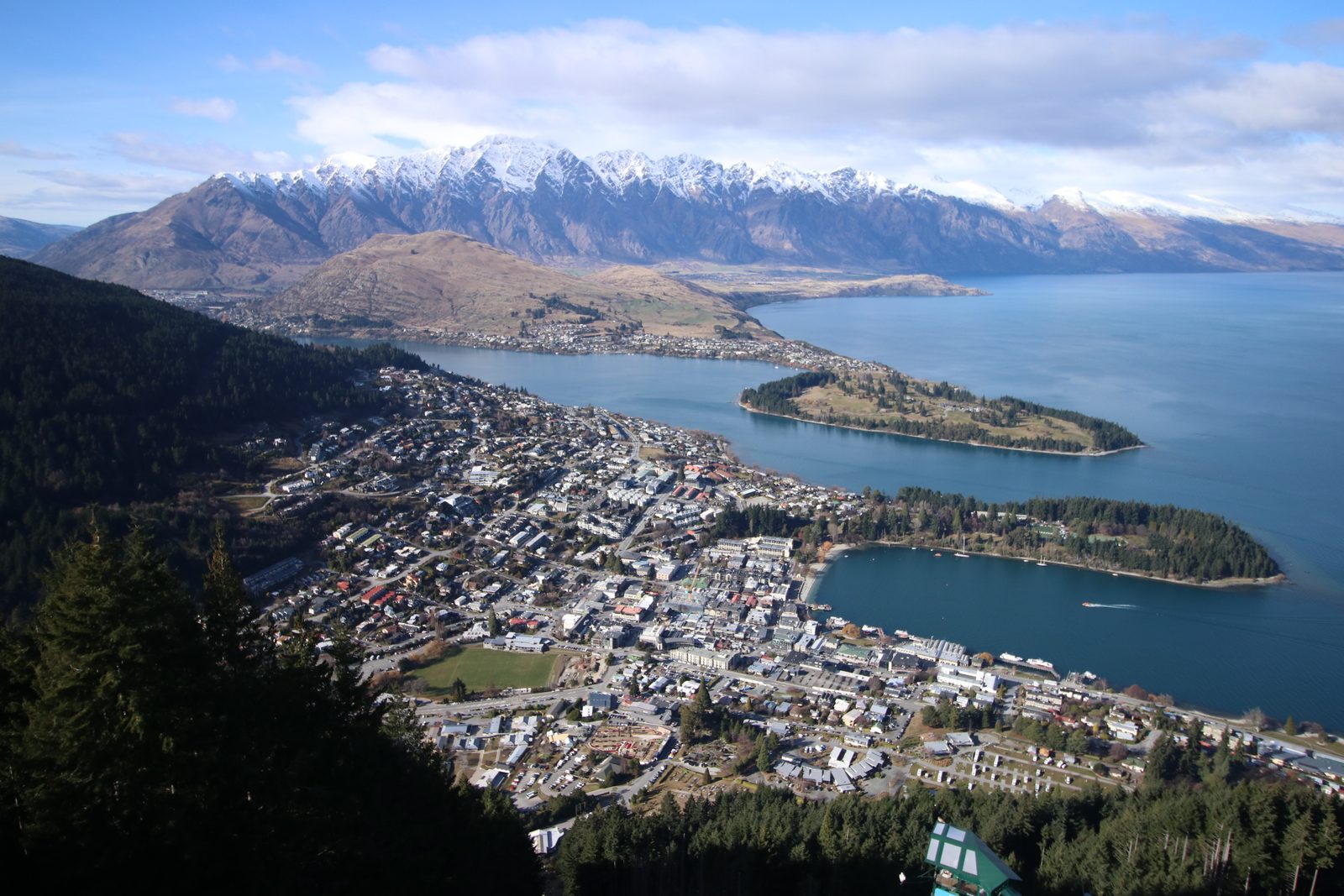
Queenstown
Otago, New Zealand
The Remarkables over Lake Wakatipu is one of the great views anywhere, and the town is built entirely around getting into it.
Elevation 330 m (1,083 ft)
Population 29,000 (2025)
Nearest emergency dept. Lakes District Hospital, in town
Airport ZQN, 7 km
Wrong for you if: You need serious medical care nearby, or you dislike tourism as an industry. Queenstown is a resort town at heart, and the nearest major hospital is a long drive.
Weighted score 7.32
Photo by Charlie Mitchell, CC BY-SA 4.0,
via Wikimedia Commons.
#11 on the published model
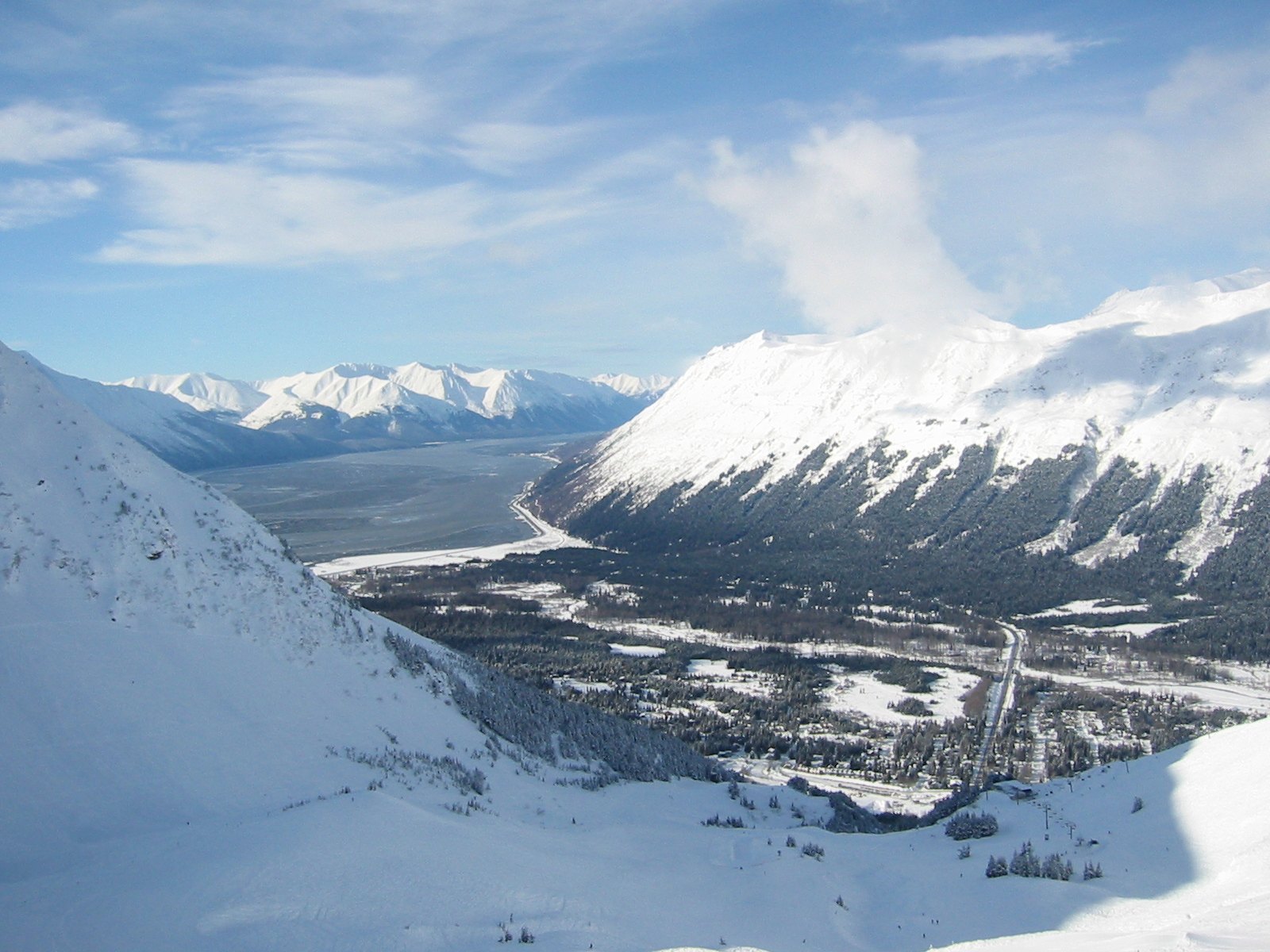
Girdwood
Alaska, USA
A ski valley 40 minutes from Anchorage, technically part of the municipality, hemmed in by the Chugach on three sides.
Elevation 11 m (36 ft)
Population 1,742 (2019)
Nearest emergency dept. Providence Alaska Medical Center, 59 km away
Airport ANC, 63 km
Wrong for you if: You want a town with its own life. Girdwood is small enough that Anchorage supplies most of what you need, which makes the drive non-optional.
Weighted score 7.27
Photo by Nathan Searles from Portland, Oregon, CC BY 2.0,
via Wikimedia Commons.
#12 on the published model
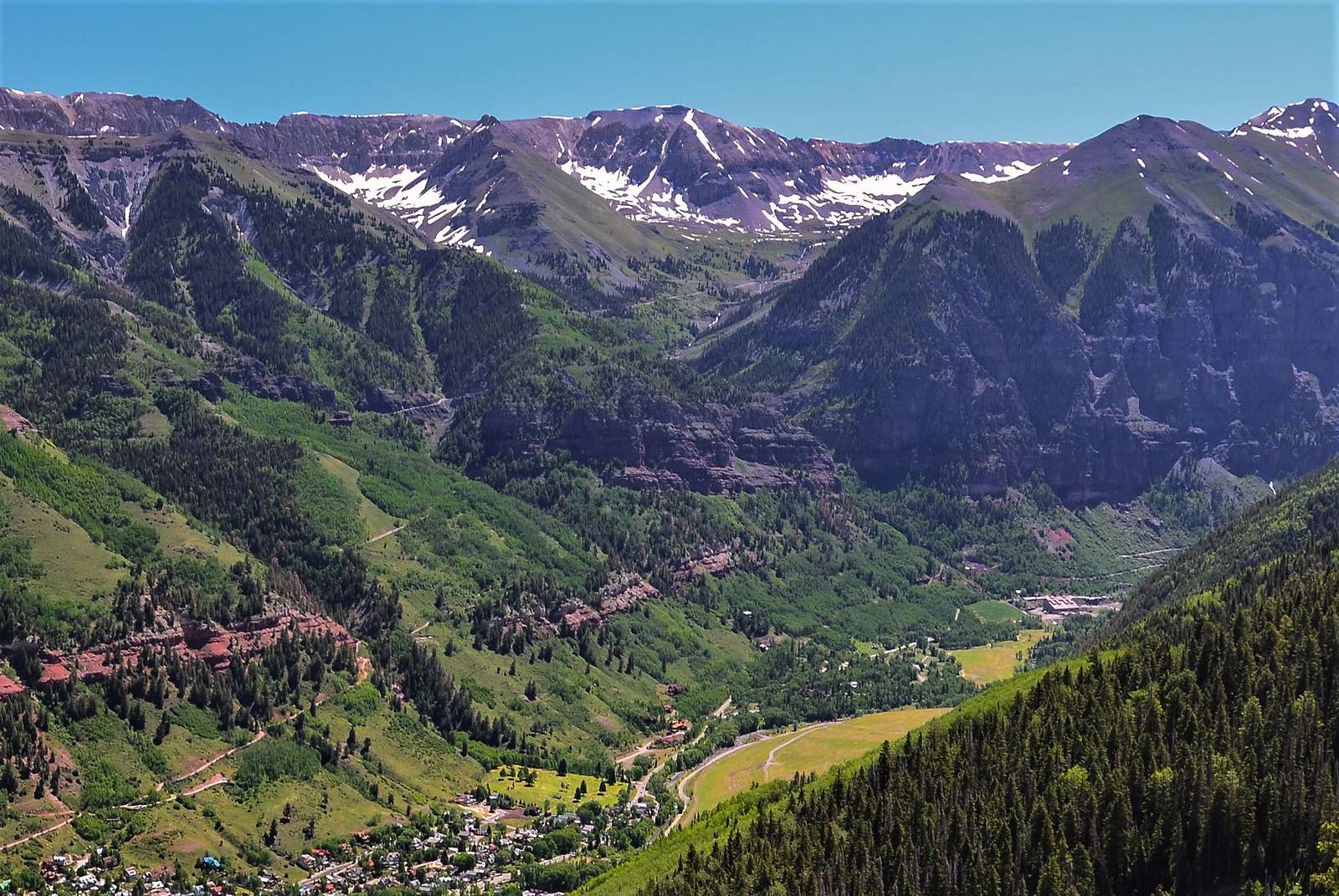
Telluride
Colorado, USA
A box canyon with 13,000-foot walls on three sides, and the most dramatic setting of any town in Colorado.
Elevation 2,668 m (8,754 ft)
Population 2,607 (2020)
Nearest emergency dept. Montrose Regional Health, 105 km away
Airport TEX, 9 km
Wrong for you if: You are retiring. The combination of remoteness, thin medical provision and brutal housing costs is the worst on this list for anyone whose healthcare needs are likely to grow.
Weighted score 7.11
Photo by Mark Levisay, CC BY 2.0,
via Wikimedia Commons.
#13 on the published model
Whistler
British Columbia, Canada
The most complete ski resort in North America, on a spectacular highway 90 minutes from Vancouver.
Elevation 675 m (2,215 ft)
Population 13,982 (2021)
Nearest emergency dept. Whistler Health Care Centre (Vancouver Coastal Health), in town
Airport YVR, 134 km
Wrong for you if: You are buying. Whistler is a resort municipality with tight development limits and a housing market shaped by people who do not need a local salary.
Weighted score 7.10
Photo by Guilhem Vellut from Annecy, France, CC BY 2.0,
via Wikimedia Commons.
#14 on the published model
Squamish
British Columbia, Canada
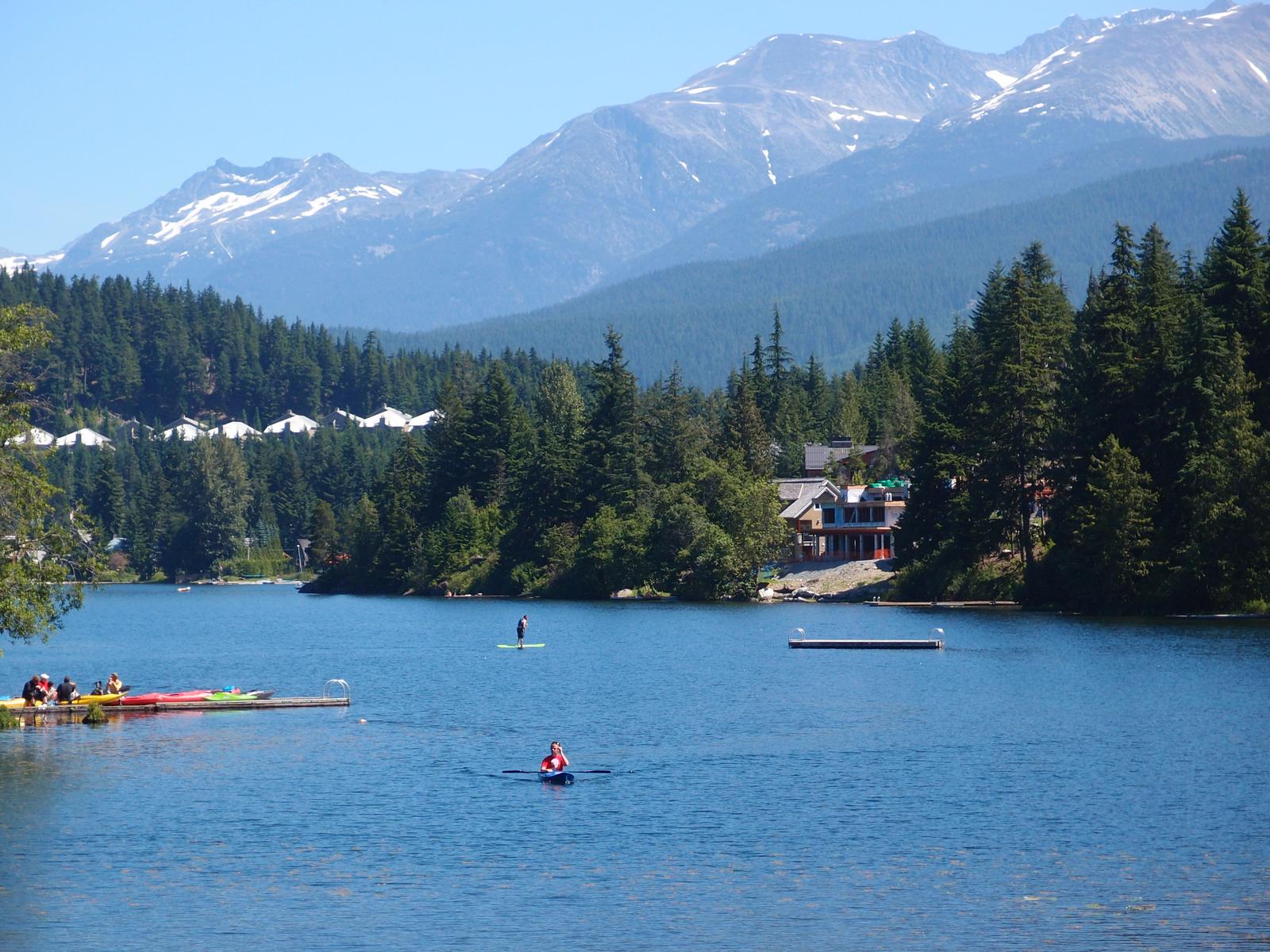
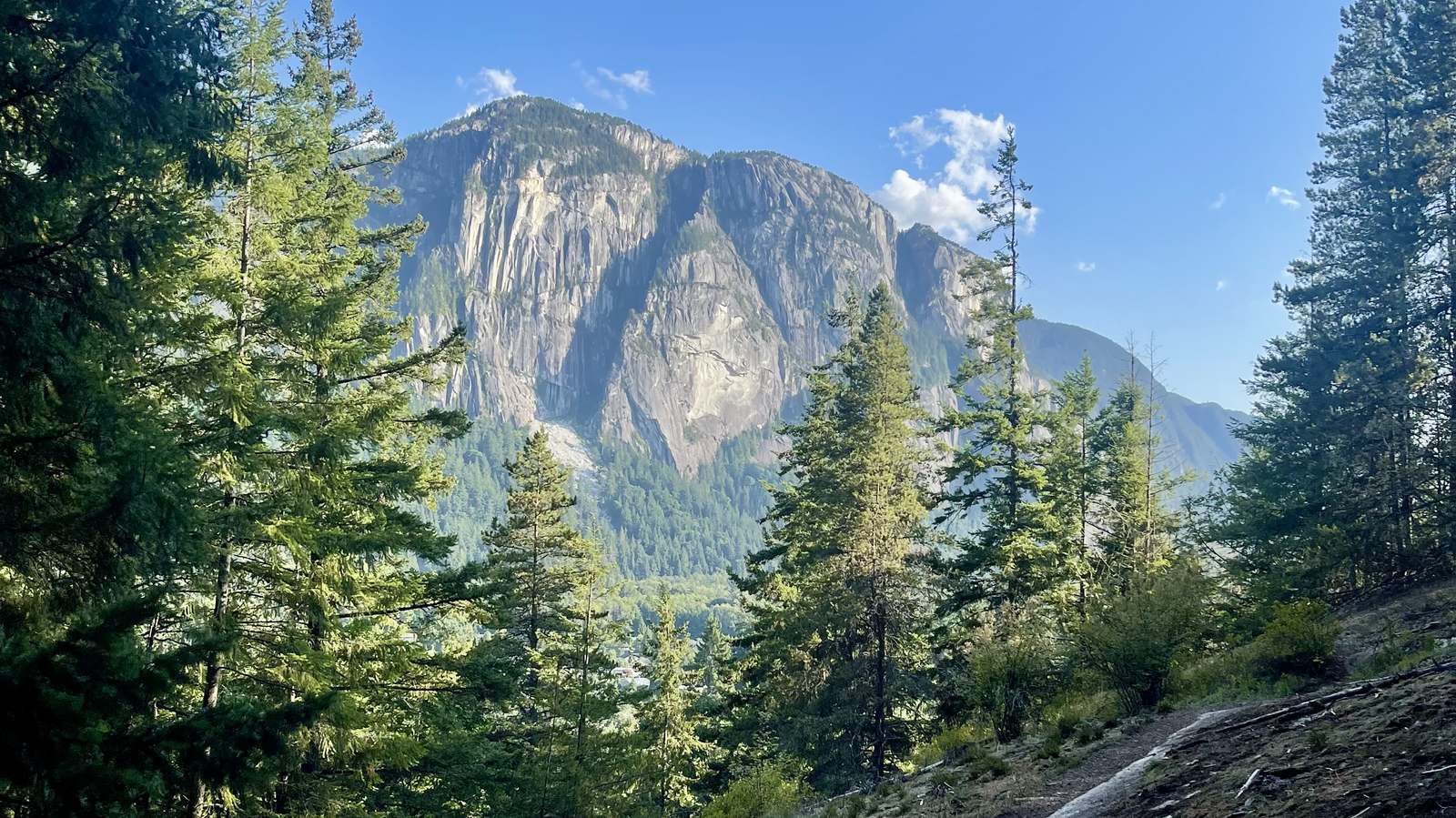
The sensible sibling to Whistler. The Stawamus Chief rises straight out of town, Vancouver is under an hour, and real people live here year-round.
Elevation 5 m (16 ft)
Population 23,819 (2021)
Nearest emergency dept. Squamish General Hospital (Vancouver Coastal Health), in town
Airport YVR, 77 km
Wrong for you if: You want alpine, not coastal. Squamish is sea level at the head of a fjord, so the feel is rainforest and granite rather than snowline.
Weighted score 7.06
Photo by Alexdegallaix, CC BY-SA 4.0,
via Wikimedia Commons.
#15 on the published model
Grindelwald
Bern, Switzerland
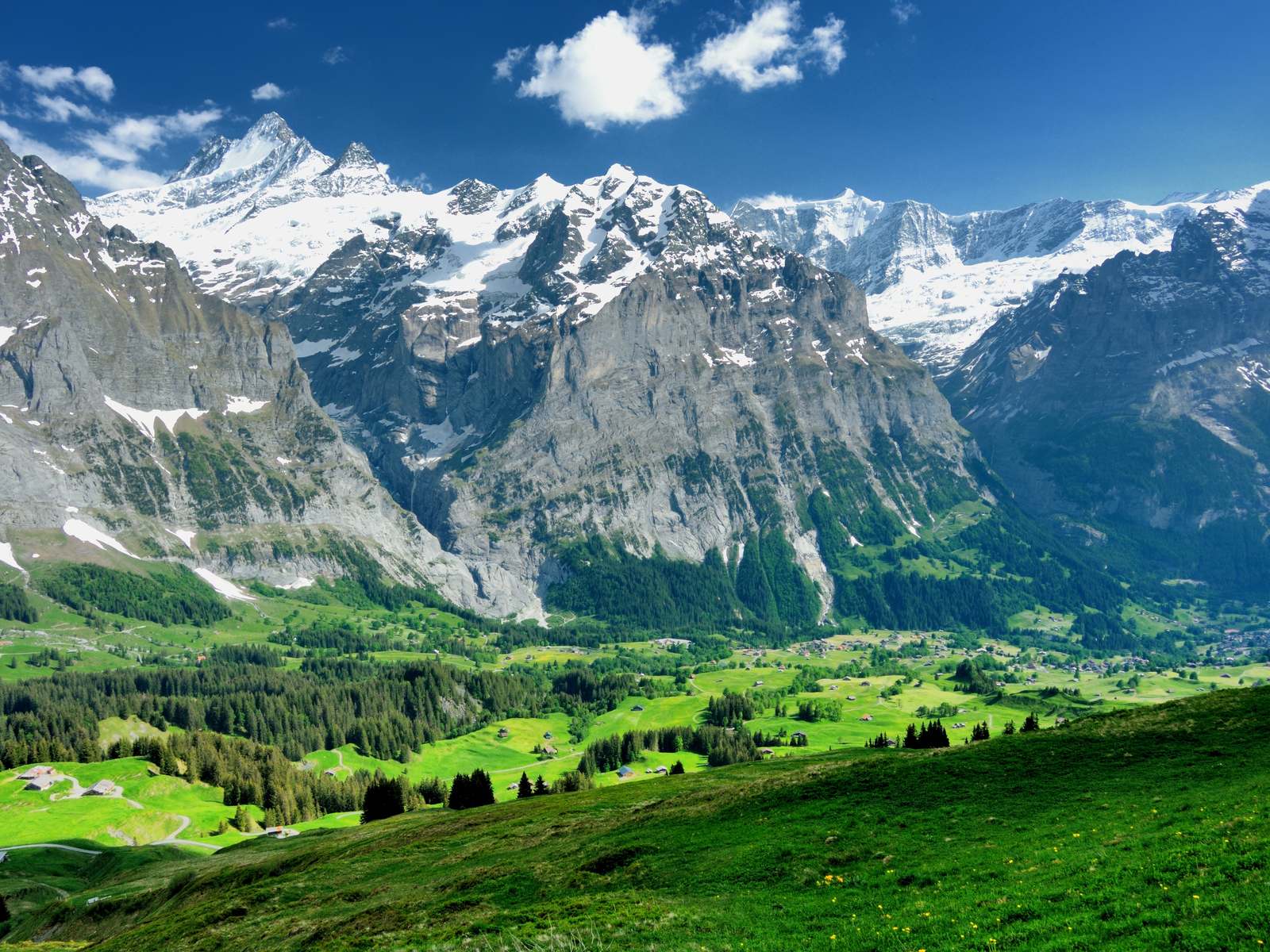
Directly beneath the north face of the Eiger. If the test is whether the mountain is out the window, Grindelwald may be the purest pass on the list.
Wrong for you if: You need a town that works in shoulder season, or you are not ready for Swiss residence rules, which are the tightest of any country here.
Weighted score 7.00
Photo by Zacharie Grossen, CC BY-SA 4.0,
via Wikimedia Commons.
#16 on the published model
Ortisei
South Tyrol, Italy
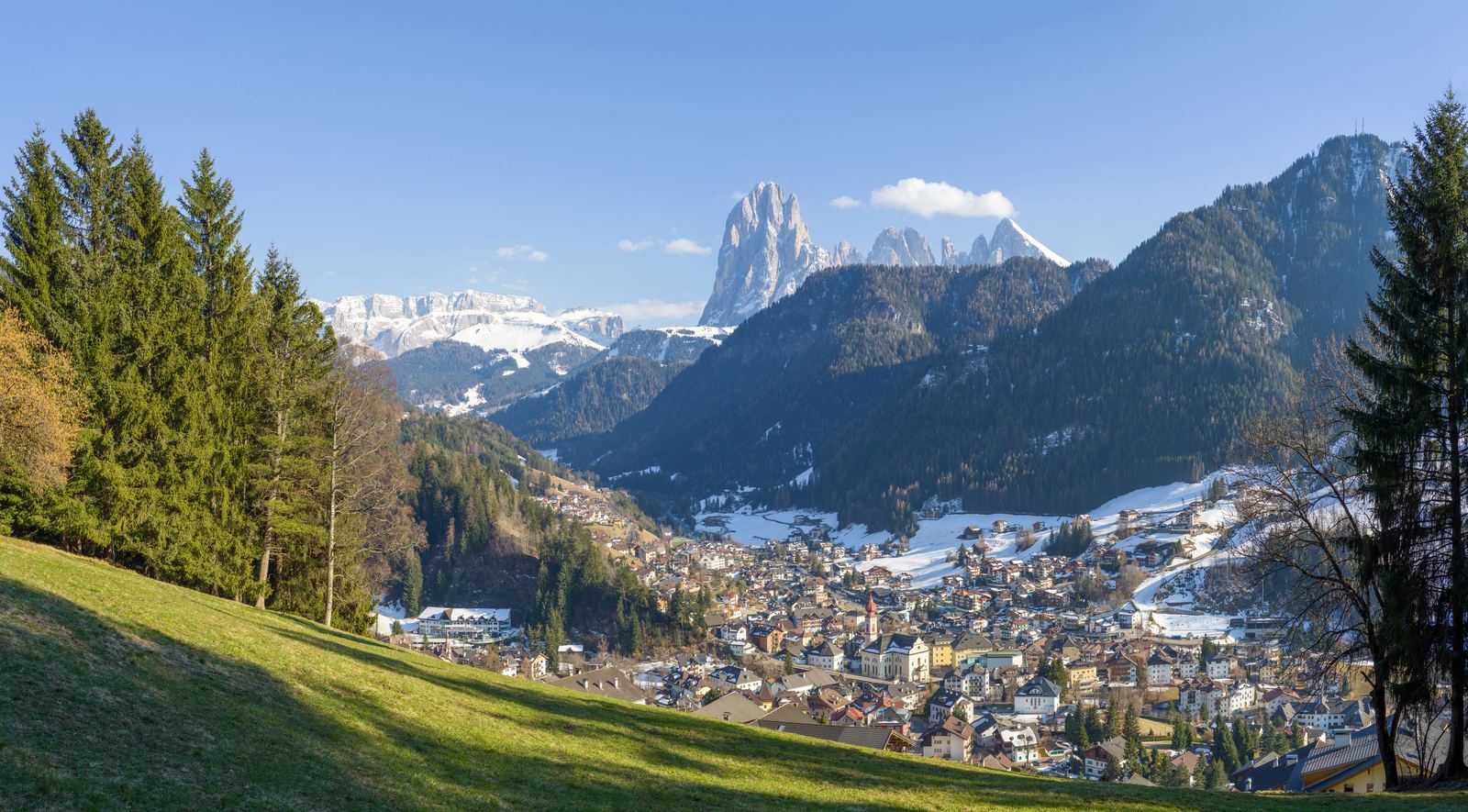
A Ladin-speaking village in Val Gardena, under the Dolomites, with a woodcarving tradition older than the tourism.
Elevation 1,230 m (4,035 ft)
Population 4,741 (2024)
Nearest emergency dept. Ospedale di Bressanone / Krankenhaus Brixen (Azienda Sanitaria dell'Alto Adige), 30 km away
Airport BZO, 43 km
Wrong for you if: You want anonymity or English as a default. This is a small trilingual community where being an outsider is a long-term status.
Weighted score 6.93
Photo by Wolfgang Moroder, CC BY-SA 4.0,
via Wikimedia Commons.
#17 on the published model
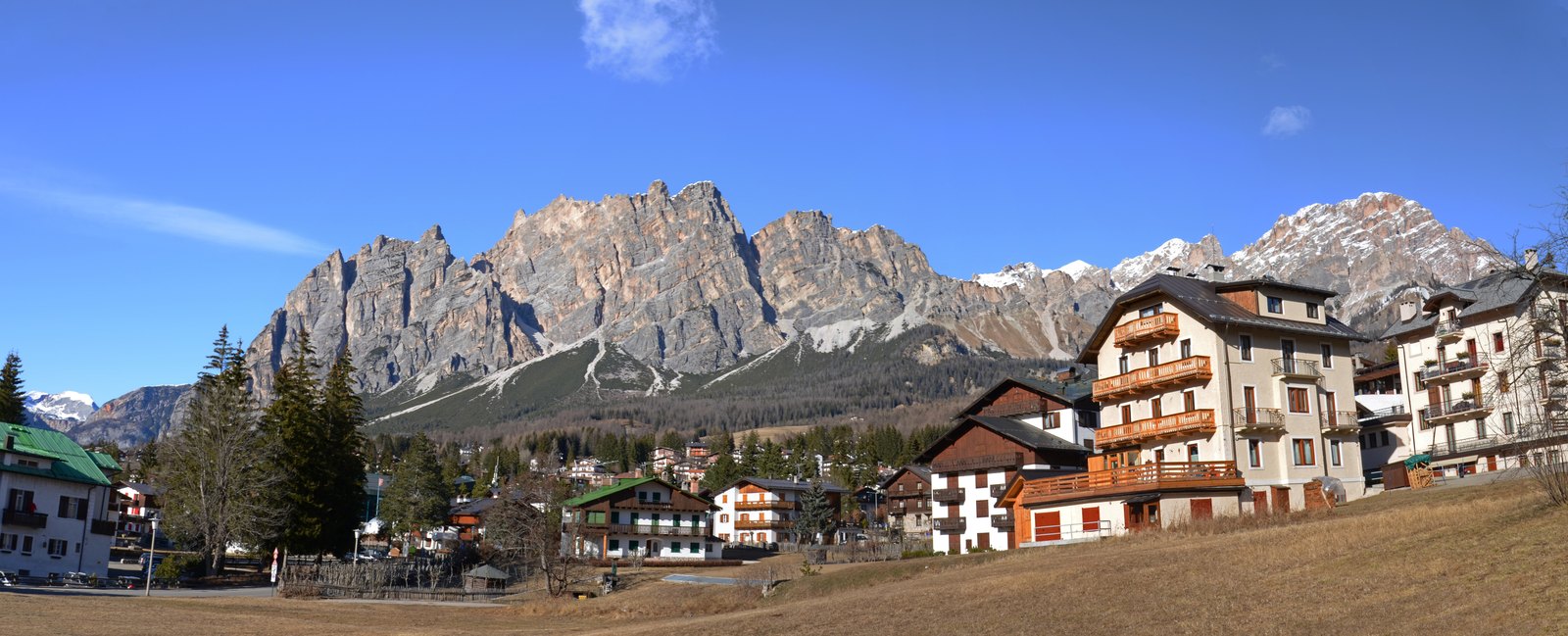
Cortina d'Ampezzo
Veneto, Italy
The grande dame of Dolomite resorts, sitting in a bowl of pale vertical rock that looks unreal in evening light.
Elevation 1,224 m (4,016 ft)
Population 5,396 (2025)
Nearest emergency dept. Ospedale Codivilla-Putti, Cortina d'Ampezzo (AULSS 1 Dolomiti), in town
Airport TSF, 132 km
Wrong for you if: You are on a budget or you need an airport. Cortina is expensive by Italian standards and awkward to reach from anywhere.
Weighted score 6.82
Photo by Soluvo, CC BY-SA 4.0,
via Wikimedia Commons.
#18 on the published model
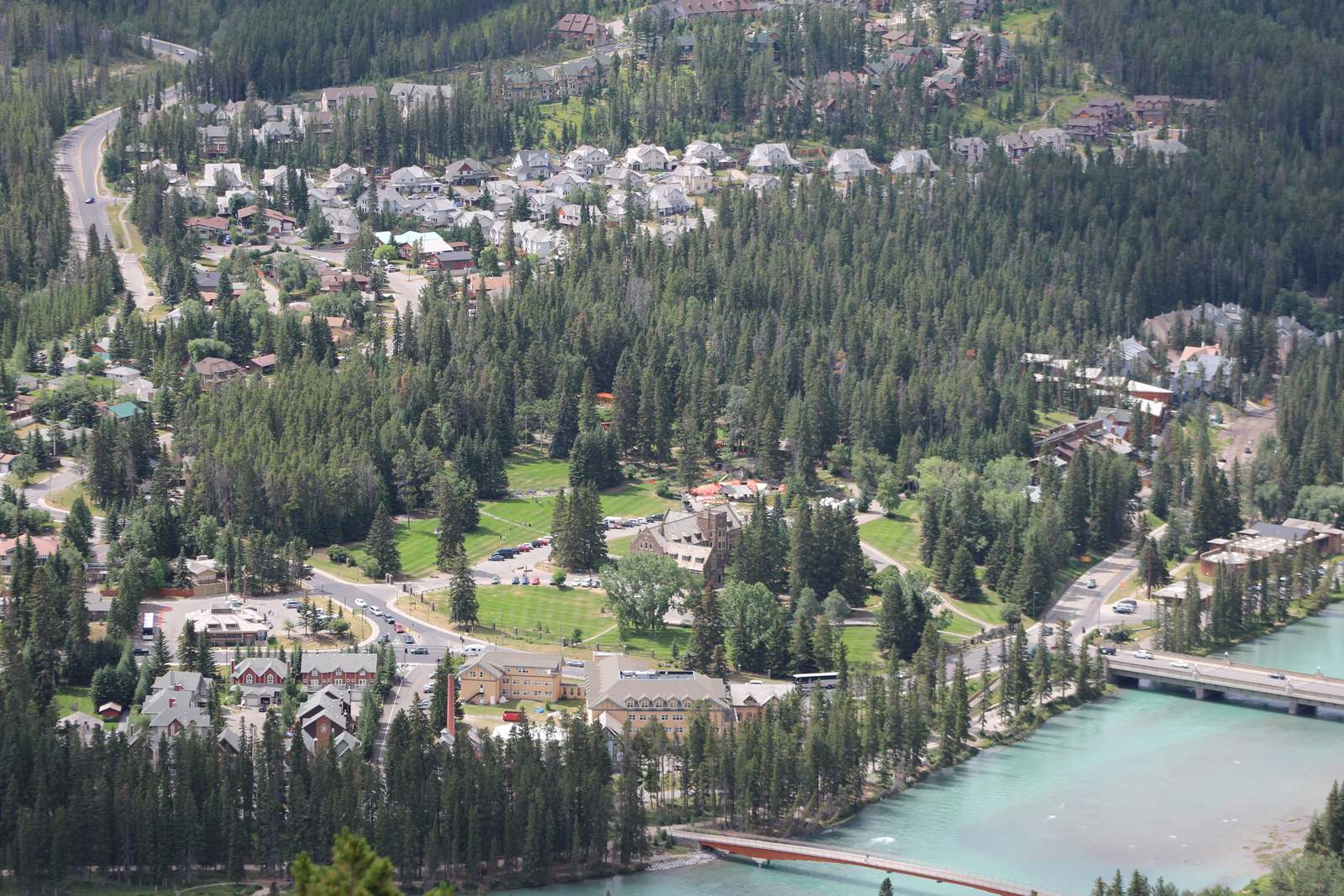
Banff
Alberta, Canada
A town inside a national park, which is exactly as beautiful and as constrained as it sounds.
Elevation 1,400 m (4,593 ft)
Population 8,305 (2021)
Nearest emergency dept. Banff Mineral Springs Hospital (Covenant Health), in town
Airport YYC, 138 km
Wrong for you if: You want to just move there. Banff has a need-to-reside requirement, so living in the townsite means qualifying for it.
Weighted score 6.79
Photo by Thank you for visiting my page from Canada, CC BY 2.0,
via Wikimedia Commons.
#19 on the published model
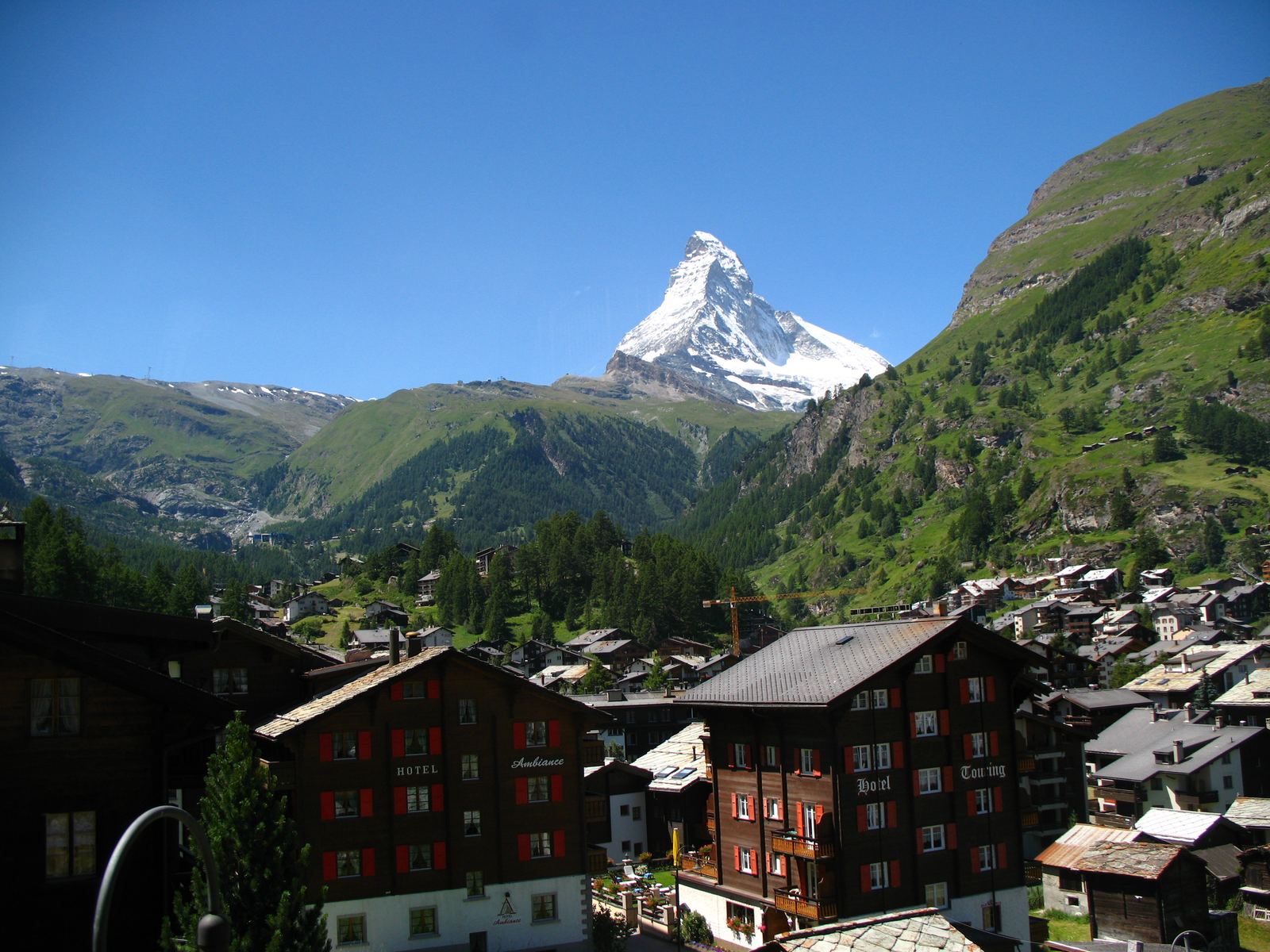
Zermatt
Valais, Switzerland
The Matterhorn, a car-free village, and the highest concentration of postcard in any square mile in Europe.
Wrong for you if: Almost everyone, practically speaking. It is car-free, extremely expensive, reachable only by train, and Swiss residence rules are the hardest here. It wins on beauty and loses on everything you have to do daily.
Weighted score 6.78
Photo by Andrew Bossi, CC BY-SA 2.5,
via Wikimedia Commons.
#20 on the published model
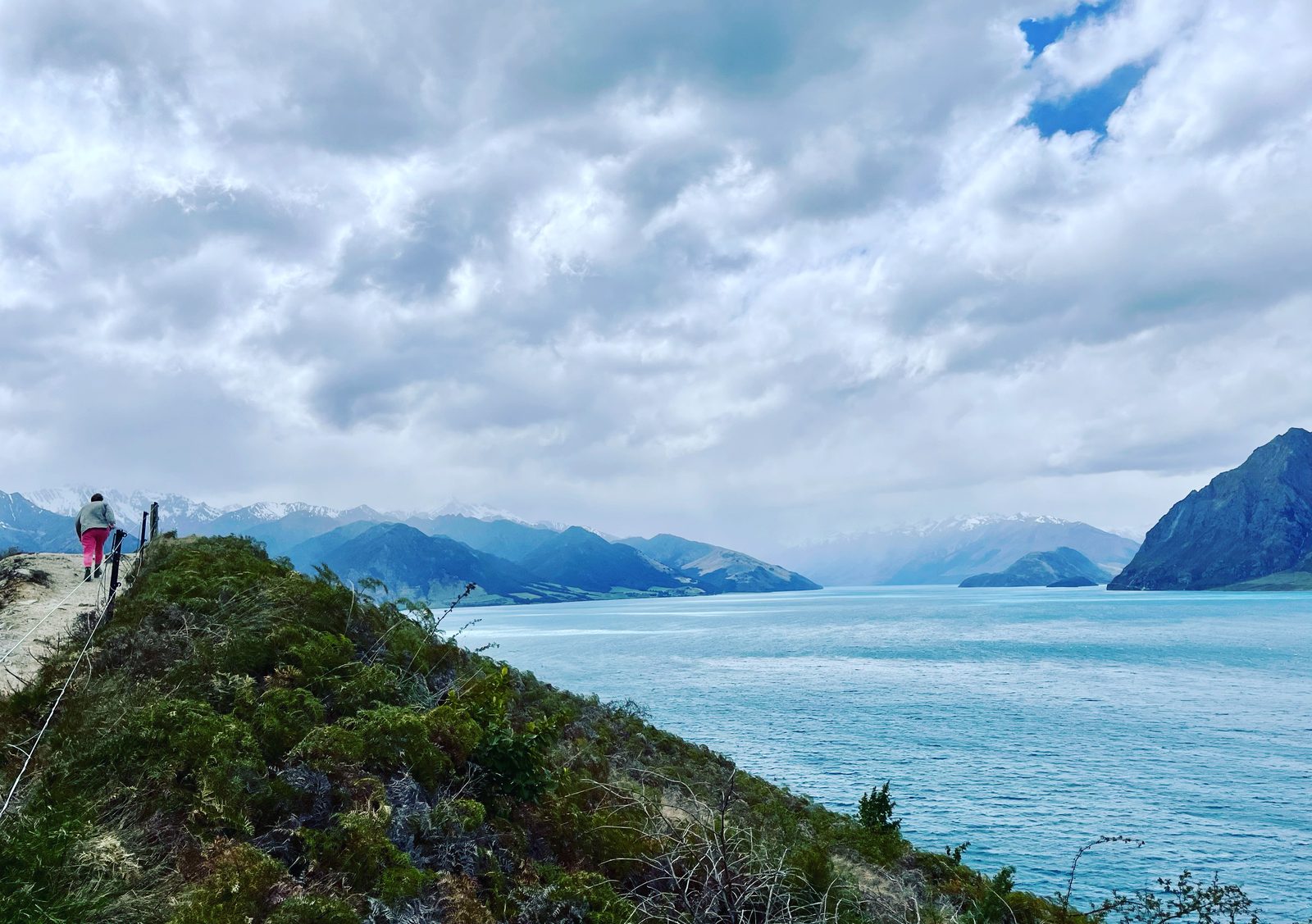
Wanaka
Otago, New Zealand
Queenstown’s quieter neighbor on its own lake, with the Southern Alps behind it and a fraction of the crowds.
Elevation 290 m (951 ft)
Population 13,200 (2025)
Nearest emergency dept. Lakes District Hospital, 62 km away
Airport ZQN, 62 km
Wrong for you if: You are retiring, or you need specialists. Wanaka is beautiful and genuinely remote from serious medical care.
Weighted score 6.61
Photo by AnnWoolliams, CC BY-SA 4.0,
via Wikimedia Commons.
#21 on the published model
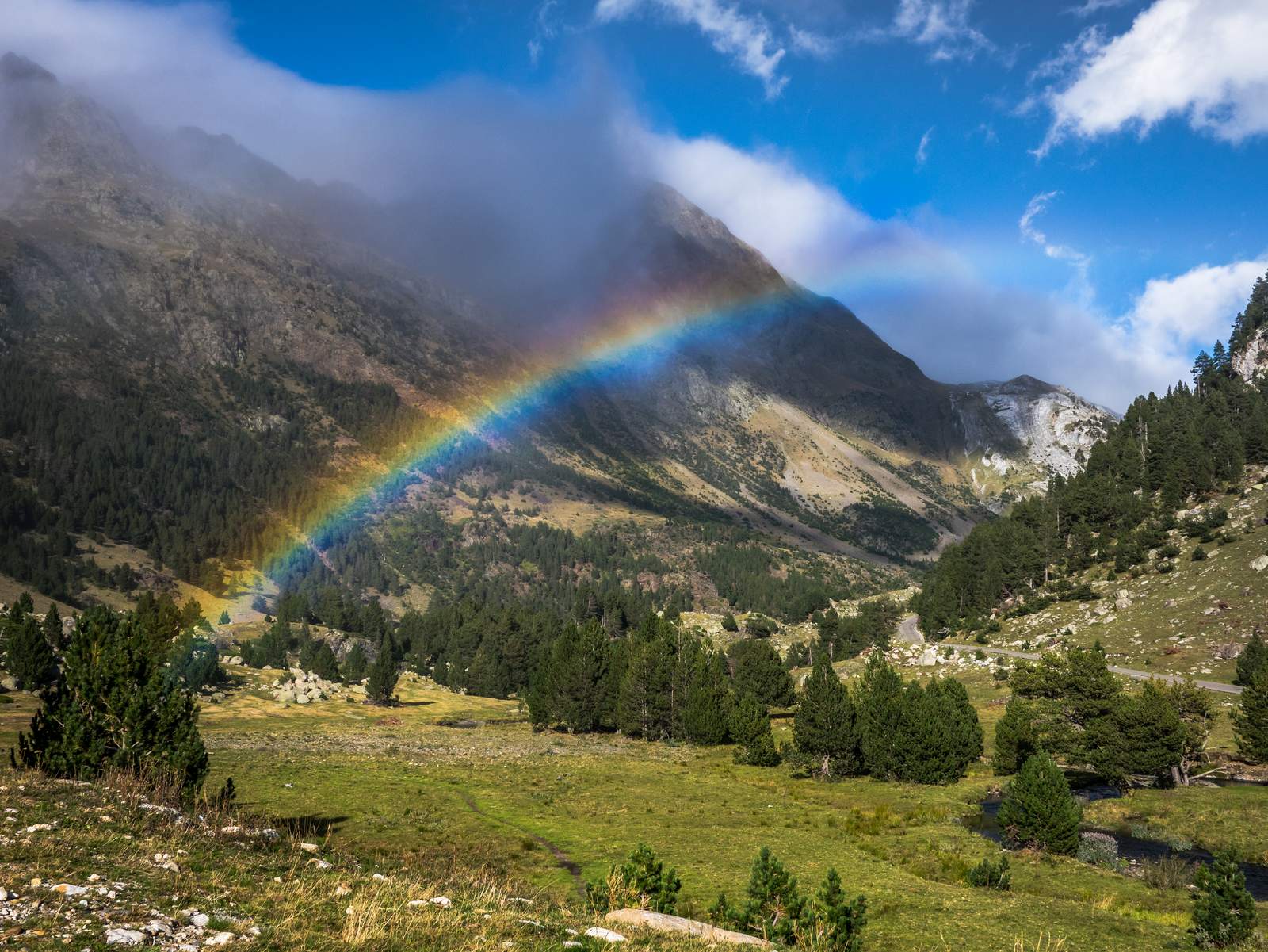
Benasque
Aragon, Spain
A Pyrenean valley village under the highest peaks in the range, and by some distance the cheapest place on this list.
Elevation 1,138 m (3,734 ft)
Population 2,359 (2025)
Nearest emergency dept. Hospital de Barbastro (Servicio Aragones de Salud), 90 km away
Airport ZAZ, 222 km
Wrong for you if: You need infrastructure. Benasque is a genuine mountain village, which means the nearest real hospital and the nearest real airport are both a serious drive.
Weighted score 6.48
Photo by Basotxerri, CC BY-SA 4.0,
via Wikimedia Commons.
The healthcare column, in kilometers instead of vibes
A 1-to-10 "healthcare" score is the kind of number that sounds rigorous and checks
nothing. So here is the version you can actually verify: the nearest emergency
department to each town, by name, and how far you'd drive to it. Thirteen of the 21
towns have one in town. These eight do not.
Town
Nearest emergency department
Where
Road distance
Telluride
Montrose Regional Health
Montrose, Colorado
105 km
Benasque
Hospital de Barbastro (Servicio Aragones de Salud)
Ospedale di Bressanone / Krankenhaus Brixen (Azienda Sanitaria dell'Alto Adige)
Bressanone / Brixen, Italy
30 km
Chamonix
Hopitaux du Pays du Mont-Blanc, site de Sallanches
Sallanches, France
27 km
Grindelwald
Spital Interlaken (Spitaler fmi AG)
Unterseen / Interlaken, Switzerland
21 km
Three of these are worse than the distance suggests.Telluride has a 24-hour medical center in town, but it is a Level V
trauma facility and not a licensed hospital, so anything serious goes 105 km over
mountain roads to Montrose. Zermatt is car-free: the 36 km to Spital
Visp means a train to Täsch and then a road transfer, which is why Air Zermatt's
rescue helicopters are in practice the fast route to a hospital.
Chamonix's in-town emergency unit runs 8am to 8pm only, so nights go
to Sallanches. If you are scoring these places for a retirement rather than a season,
those three details matter more than any view.
This is also the clearest illustration of why the retiree and nomad presets disagree
so violently. At 40 with good insurance, a 105 km drive to an emergency room is an
abstraction. At 75 it is the whole decision.
The visa reality, country by country
The "legal right to stay" column is the single heaviest lever on this list, so it
deserves more than a score. Here is what each country actually offers a US passport
holder who wants to stay longer than a holiday. Every entry below was checked against
official government immigration sources on 26 July 2026.
Visa de long sejour valant titre de sejour 'visiteur' (long-stay visitor visa serving as a residence permit
Switzerland
Grindelwald, Zermatt
90 days in any 180-day period
None
Residence permit without gainful activity for a third-country national ('annuitant' / rentier permit
Italy
Ortisei, Cortina d'Ampezzo
90 days in any 180-day period
Visto per nomadi digitali e lavoratori da remoto (digital nomad and remote worker visa)
Visto per residenza elettiva (elective residency visa)
Spain
Benasque
90 days in any 180-day period
Visado de residencia por teletrabajo de caracter internacional (international teleworking residence visa
Visado de residencia no lucrativa (non-lucrative / non-working residence visa)
Canada
Canmore, Whistler, Squamish, Banff
US citizens do not need a visa or an eTA; visitors are normally admitted for up to 6 months at a time
None
None
Chile
Santiago
90 days on a Permanencia Transitoria permit, extendable once by up to 90 further days
None
Residencia Temporal
New Zealand
Queenstown, Wanaka
Less than 3 months, visa-free under the visa-waiver scheme; an NZeTA must be obtained before travel
None
Temporary Retirement Visitor Visa
Only two of these nine countries have a real remote-work visa. Italy
and Spain. Everywhere else, "digital nomad visa" is a phrase from a blog rather than a
route you can apply for. Norway is the sharpest example: its self-employed-person
scheme looks like one until you read the condition, which is that you may work only in
your own Norwegian-registered business and explicitly may not do other remote work.
Norway and Canada offer neither a nomad route nor a retirement route.
The Schengen clock is now machine-enforced, and this is new. The EU's
Entry/Exit System became fully operational on 10 April 2026, so the 90-days-in-180
limit is tracked biometrically at the border rather than estimated from passport
stamps. The informal margin people used to rely on is gone. ETIAS, the separate
pre-travel authorization, is not live yet and is expected in the last quarter
of 2026 at 20 euros for three years. Anyone planning around the old stamp-counting
approach to Chamonix, Zermatt, Grindelwald, Innsbruck, Ortisei, Cortina, Tromsø or
Benasque should assume it no longer works.
Income thresholds are deliberately not tabulated above, because the research turned up
genuine conflicts between official sources: two Italian consulates publish different
figures for the same statutory formula, Spain's Washington embassy page still quotes
the 2025 minimum wage, and Switzerland publishes no numeric threshold at all for its
age-55 annuitant permit, leaving it to cantonal discretion. Quoting a single confident
number here would be inventing precision that the governments themselves do not offer.
Confirm with the relevant consulate before making any decision.
Boulder is expensive. Here's the 45-minute workaround.
The honest knock on Boulder is price. A typical Boulder home was worth
$972,493 in June 2026, per Zillow's home value index.
That's the number that pushes it down the cost column and it isn't going anywhere,
because Boulder is ringed by voter-funded open space and governed by growth limits that
deliberately cap new supply.
But Boulder is a hub, not an island. Within a 45-minute drive there are a dozen towns
that keep the Front Range access and shed a lot of the price. These are real Zillow
figures for June 2026, not estimates.
Town
Typical home value
vs Boulder
Asking rent
Drive
Boulder
$972,493
baseline
$2,439
n/a
Loveland
$504,321
-48%
$1,859
40 min
Frederick
$544,001
-44%
$2,778
30 min
Longmont
$557,628
-43%
$1,961
18 min
Firestone
$582,537
-40%
$2,370
30 min
Berthoud
$617,082
-37%
$2,875
35 min
Broomfield
$631,967
-35%
$2,035
25 min
Nederland
$677,888
-30%
$2,675
30 min
Lafayette
$681,332
-30%
$2,250
15 min
Erie
$732,095
-25%
$2,989
25 min
Lyons
$763,606
-21%
n/a
25 min
Superior
$832,589
-14%
$2,450
15 min
Louisville
$841,727
-13%
$2,634
12 min
The counterintuitive bit, and the most useful thing on this page: moving
out of Boulder saves you a fortune if you're buying and often costs you money if you're
renting. Longmont buys 43% cheaper than Boulder. But Erie rents for
$2,989 against Boulder's $2,439, which is
23% more. Frederick, Berthoud and Nederland all rent above Boulder too.
The reason is supply mix. Boulder has a deep, competitive apartment market because it
has 30,000-odd students, and that drags asking rents down. The newer commuter towns are
mostly single-family houses, so their rental stock is scarce, large and expensive. If
you're renting for a year to try Boulder out, Boulder itself is frequently the cheaper
move. If you're buying, the drive north pays for itself immediately.
Longmont is the standout on the buy side: 43% cheaper, 18 minutes away, and a real town
with its own downtown rather than a subdivision. Lafayette and Broomfield are the
balanced middle. Loveland and Berthoud trade another 20 minutes for the lowest prices on
the list.
Drive times above are approximate off-peak estimates. We are currently measuring the
real ones: a collector samples these routes every half hour through the morning and
evening peaks, and these figures will be replaced with measured medians once there is
a month of data behind them.
What the scores are actually telling you
Three patterns fall out of the table, and they're more useful than the ordering.
Beauty and feasibility are close to inversely correlated. The five
most beautiful places here (Zermatt, Chamonix, Grindelwald, Queenstown, Jackson) have an
average cost score of 3.4 out of 10. The mountains that take your breath away are
exactly the ones everyone else also wants, in valleys with no room to build.
The passport is doing more work than the scenery. Eight of these towns
are Schengen. For an American that's a hard 90-day ceiling on the fantasy unless you run
a residence process. It's the single biggest reason North American towns cluster at the
top of this particular list, and it would not be true of a different reader.
Retirees and nomads want opposite things. Healthcare and year-round
liveability pull toward Innsbruck, Boulder and Santiago. Raw landscape and low cost pull
toward Benasque, Ortisei and Nederland. Anyone selling you one list for both audiences,
including this one, is running an average over two different questions. Switch between
the "Retiring, not working" and "Working remotely, full time" presets above and the
disagreement becomes obvious.
Methodology and limits. Housing figures for Boulder and the twelve surrounding towns are
Zillow Research city-level data, values dated 2026-06-30, fetched 2026-07-26: the Zillow
Home Value Index for typical home value and the Zillow Observed Rent Index for asking
rent. Zillow does not publish a rent index for Lyons, shown as n/a. Drive times are
approximate off-peak estimates and have not yet been measured; treat them as directional.
All seven dimension scores are the author's qualitative 1-to-10 judgments informed by
publicly known characteristics of each town, not measured indices, and they carry real
error. Visa treatment assumes a US passport holder with no EU, UK, Canadian or NZ
citizenship or ancestry claim, and reflects general entry rules rather than any specific
long-stay program; immigration rules change and must be confirmed with the relevant
consulate before any decision. Internet, healthcare and cost scores for the non-US towns
are the least certain figures here and would need local verification before anyone acts
on them. Photographs are freely-licensed Wikimedia Commons files, individually credited
with their license beside each image. Nothing on this page is immigration, financial,
medical or real-estate advice.
.jpeg)


.jpg)


.jpg)


.jpg)


